The Capsule Wardrobe Guide: What to Buy, What to Skip, and How to Make It Work
A capsule wardrobe is not a rulebook or a bare white closet. It is a small, well-chosen set of clothes that mix easily and get worn hard. Here is how to build one, piece by piece.
Affiliate disclosure: this article contains affiliate links. If you buy through them, we may earn a commission at no extra cost to you — it funds our testing. Learn more.
Most of us already own a capsule wardrobe. It is the ten or twelve things in heavy rotation, plus forty other items acting as expensive wallpaper. Building a capsule on purpose just means closing that gap: fewer pieces, chosen so they work together, worn until they earn their keep.
This guide is the version I would give a friend over coffee. No thirty-day challenge, no throwing out your entire closet on a Sunday afternoon. Just how the pieces fit together, how many you actually need, what to spend on and what to leave on the rack.
What Is a Capsule Wardrobe, Exactly?
A capsule wardrobe is a small, coordinated set of clothing built around a shared color palette and a consistent set of silhouettes. The point is combinatorial: because everything relates to everything else, twenty-eight pieces can produce far more outfits than a closet of a hundred mismatched ones.
Two things it is not. It is not minimalism as an aesthetic, so if you love color and print, your capsule can be loud. And it is not a permanent number. A capsule is a working system that flexes with the season, your job, and your body.
The reason it holds up as an idea is boring but real: decision fatigue is expensive, and so is buying the same disappointing thing three times.
How Many Pieces Should a Capsule Wardrobe Have?
The honest answer: between 25 and 40 per season for most people, excluding underwear, sleepwear, workout gear, and true special occasion pieces. Under 25 tends to feel punishing in real weather. Over 40 and the coordination benefit starts to blur.
A Split That Actually Balances
Rather than a magic number, use ratios. The mistake almost everyone makes is over-buying tops and under-buying the layers and shoes that carry an outfit.
- 8 to 12 tops, split between tees, knits, and one or two shirts
- 4 to 6 bottoms, including at least two you can sit in all day
- 2 to 4 dresses or one-piece outfits, which do the most work per hanger
- 3 to 5 layers: a blazer, a cardigan, a coat, maybe a vest
- 4 to 6 pairs of shoes covering flat, walkable, and dressed-up
- 2 or 3 bags, one of which fits a laptop or a full day of errands
Count your own closet against that list. The gaps are usually obvious within five minutes, and they are almost never in the tops column.
How to Build a Capsule Wardrobe Step by Step
Step 1: Audit What You Actually Wore
Turn every hanger backward, or drop everything in one drawer. For three weeks, only reverse the hanger when you wear something. What you touch is your real wardrobe. What you do not touch is data, not failure.
Then ask why about each untouched piece. Wrong fit, wrong fabric, wrong life. Wrong life is the interesting one: a closet built for a job you left, or a climate you moved away from, will never feel right no matter how nice the clothes are.
Step 2: Name Your Three Lives
Write down where your hours actually go. For most people it is three buckets, something like desk work, weekend errands, and evenings out. Assign rough percentages. If 70 percent of your week is at a laptop and 70 percent of your closet is going-out clothes, that is your whole problem in one sentence.
Your capsule should mirror those percentages. If your work skews polished, our notes on business casual for women are a useful cross-check on what that bucket needs.
Step 3: Set a Color Spine
Pick two neutrals that will carry your bottoms, outerwear, and shoes. Navy and cream. Black and grey. Chocolate and camel. Then add two or three accent colors you genuinely like on your face, plus one print if you want it.
The spine is what makes a capsule feel expensive rather than random. It is also the mechanism behind the whole quiet luxury look: tonal repetition reads as intention.
Step 4: Fill Gaps Slowly, With a Rule
Here is the rule I use and rarely see written down: a new piece has to make three complete outfits with things already in your closet, and you have to be able to name all three before you buy. Not imagine, name. Item, bottom, shoe. If you can only get to two, it is a lovely thing that belongs in someone else's wardrobe.
This one test kills more bad purchases than any budget ever has, because it catches the seductive category: pieces that are beautiful in isolation and orphans at home.
The Capsule Wardrobe Checklist: Pieces That Cover Almost Everything
Treat this as a starting frame, not a shopping list to complete by Friday. Swap freely for your climate and your three lives.
- Two crewneck tees in your neutrals, heavy enough to hold shape
- One striped long-sleeve, the least fussy pattern in existence
- Two fine-gauge knits: one crew, one V or collar
- One chunkier sweater for cold mornings
- One white or ecru button-down, ideally a size up from your instinct
- One silky or drapey blouse for evenings
- Straight-leg jeans in a mid or dark wash
- One pair of tailored trousers with a real waistband
- One relaxed pant: wide-leg, linen, or a soft trouser
- One skirt in your neutral, at a length you forget you are wearing
- One easy day dress and one dress that can go to dinner
- A blazer that fits over your thickest knit
- A cardigan you can layer under a coat
- One serious coat for your actual weather
- White or off-white sneakers
- Flat loafers or ballet flats
- One boot: ankle or knee, depending on your winter
- One dressier shoe with a heel height you will really walk in
- A structured day bag and one small evening bag
- A leather belt, a scarf, and two pairs of earrings you never take off
Capsule Wardrobe Starting Pieces Worth Trying
Quince · See review
Quince Mongolian Cashmere Crewneck
See the full write-up in this guide.
check live price
Everlane · See review
Everlane The Way-High Jean
See the full write-up in this guide.
check live price
COS · See review
COS Tailored Wool Blazer
See the full write-up in this guide.
check live price
Uniqlo · See review
Uniqlo Supima Cotton Crew Neck T-Shirt
See the full write-up in this guide.
check live price
Sezane · See review
Sezane Gaspard Cardigan
See the full write-up in this guide.
check live price
Vagabond · See review
Vagabond Alina Ankle Boot
See the full write-up in this guide.
check live price
Fabric and Fit: Where the Money Actually Goes
In a small wardrobe, every piece is worn more, so construction matters more than it does in a large one. That is the real argument for spending up: not status, just wear cycles.
Spend on the things that hold structure and sit against weather: coats, blazers, boots, bags, and knitwear. Save on tees, tanks, and anything trend-adjacent, where the difference between mid and high price is often finishing rather than lifespan.
- Check knitwear ply and gauge, not just the word cashmere. Thin single-ply pills fast and pills visibly.
- Look for natural fibers in the outer layers, where breathability shows: wool, cotton, linen, silk.
- A little elastane in denim and trousers helps recovery. A lot of it means bagging by 3pm.
- Turn garments inside out in the fitting room. Bound seams, generous hems, and a spare button signal a factory that was not rushing.
- Fit the widest part of your body and tailor the rest. A hemmed trouser costs less than a replacement trouser.
Where to Shop for Capsule Wardrobe Basics
Different retailers are genuinely good at different jobs. Rather than loyalty to one label, match the brand to the category.
| Product | Price | Rating | Best for | |
|---|---|---|---|---|
| Quince Quince | See retailer | — | See review | View |
| Everlane Everlane | See retailer | — | See review | View |
| COS COS | See retailer | — | See review | View |
| Uniqlo Uniqlo | See retailer | — | See review | View |
| Sezane Sezane | See retailer | — | See review | View |
| Arket Arket | See retailer | — | See review | View |
Check the retailer page for current prices and customer reviews.
Cashmere is the category where the comparisons get loudest, and the differences are real if you know what to look for. Our side-by-side on Quince versus Everlane cashmere breaks down gauge, hand feel, and how each holds up after washing.
Capsule Wardrobe Mistakes That Quietly Sabotage You
- Buying the whole capsule at once. You end up with a stranger's closet and no idea which pieces you actually reach for.
- Going all-neutral because the internet did. Beige on beige is a look, not a requirement, and it makes some people feel invisible.
- Ignoring shoes. Shoes decide the formality of an outfit more than any top does.
- Building for an aspirational schedule. If you have not been to brunch in a year, stop buying brunch clothes.
- Forgetting maintenance. A capsule needs a sweater comb, a good detergent, and a cobbler you trust.
- Confusing a capsule with a purge. You can retire pieces slowly and keep sentimental ones in a separate box.
Seasonal Capsule Wardrobe: How to Rotate Without Starting Over
A capsule is not rebuilt every three months. Roughly 60 percent of it should be year-round: jeans, tees, fine knits, day dresses, the everyday bag. The rotating 40 percent is outerwear, heavy knits, sandals versus boots, and one or two seasonal colors.
Store the off-season pieces somewhere you cannot see them. Visible clutter is what makes a small wardrobe feel chaotic. At each changeover, note what you never wore last cycle and let that decide your one or two additions rather than a wishlist made in a different mood. Our 2026 capsule wardrobe guide covers the changeover in more detail.
How to Tell If Your Capsule Is Actually Working
Here is the measure I trust more than any piece count, and I have not seen it in the standard advice: track your dressing time for one week. A functioning capsule gets you dressed in under four minutes on a normal weekday. If you are still standing in front of the closet at minute eight, the problem is not quantity, it is that your pieces do not agree with each other.
The second signal is repetition comfort. When you stop noticing that you wore the same trousers three times this week, the capsule has done its job. Most people report that shift somewhere around week five, well before the wardrobe is finished.
- Under four minutes to a full outfit on a weekday morning
- No more than two pieces you have not worn in six weeks
- Every top pairs with at least two bottoms
- Nothing in the closet requires a purchase to be wearable
- You can pack for a four-day trip in under twenty minutes
If you are filling one gap this month, make it the layer that goes over everything else. A blazer that fits over your bulkiest knit changes more outfits than any new top will.
Check Price — COS COS Tailored Wool BlazerWe may earn a commission at no cost to you.
Build it slowly. A capsule wardrobe assembled over six months, one honest purchase at a time, will always outperform one bought in a weekend, because it is built from evidence about your real life rather than a picture of someone else's.
Common questions
Frequently Asked Questions
How many pieces should a capsule wardrobe have?
Most people land between 25 and 40 pieces per season, counting tops, bottoms, dresses, layers, shoes, and bags. Underwear, sleepwear, gym kit, and occasion wear sit outside the count. Start with what you own, then adjust based on how often you feel stuck.
Does a capsule wardrobe have to be all neutrals?
No. Neutrals make coordination easier, which is why they dominate the imagery, but the actual requirement is a shared palette. Two base colors plus two or three accents you like works whether those accents are cobalt and red or oatmeal and grey.
How do I build a capsule wardrobe on a budget?
Shop your own closet first, then fill gaps one piece at a time over several months. Prioritise the categories worn hardest: outerwear, shoes, and everyday bottoms. Secondhand is strongest for coats, blazers, and denim, where construction quality survives previous ownership.
How long does it take to build a capsule wardrobe?
Expect three to six months if you are buying deliberately. The audit takes a few weeks, and gap-filling works best spread out so you can test each piece in real rotation before adding the next. Rushing produces a closet that photographs well and wears badly.
Can a capsule wardrobe work for a formal office?
Yes, and it often works better. Formal dress codes are narrower, so pieces repeat naturally. Weight the count toward tailored trousers, skirts, blazers, and fine knits, and keep two shoe options: one all-day walkable, one more polished for meetings.
What should I do with clothes I remove from my capsule?
Do not bin them immediately. Box them for one season out of sight. Anything you never reach for can then be resold, swapped, or donated with confidence, and genuinely worn-out items go to textile recycling rather than general waste.
Sources
Written by
Emma Carter
Editor-in-Chief
Emma spent a decade styling editorial shoots in New York and London before founding Pearlthread. She believes great style is a system, not a shopping habit — and that the best outfit is the one you don't have to think about.
- ✓ 10+ years in fashion editorial (NY & London)
- ✓ Certified image consultant, AICI
- ✓ Personally road-tests every reviewed product for 2+ weeks
Enjoying this guide?
Get the next one in your inbox on Sunday.
Newsletter sign-ups are not available yet.
Keep reading
Related guides
Capsule · Shopping Guide
The Fall Capsule Wardrobe: 32 Pieces That Build Every Outfit You Need
Thirty-two pieces, one colour story, and more than twenty outfits that come together without thinking. Here is the fall capsule wardrobe framework I rebuild every September, plus what is actually worth restocking.
13 min read
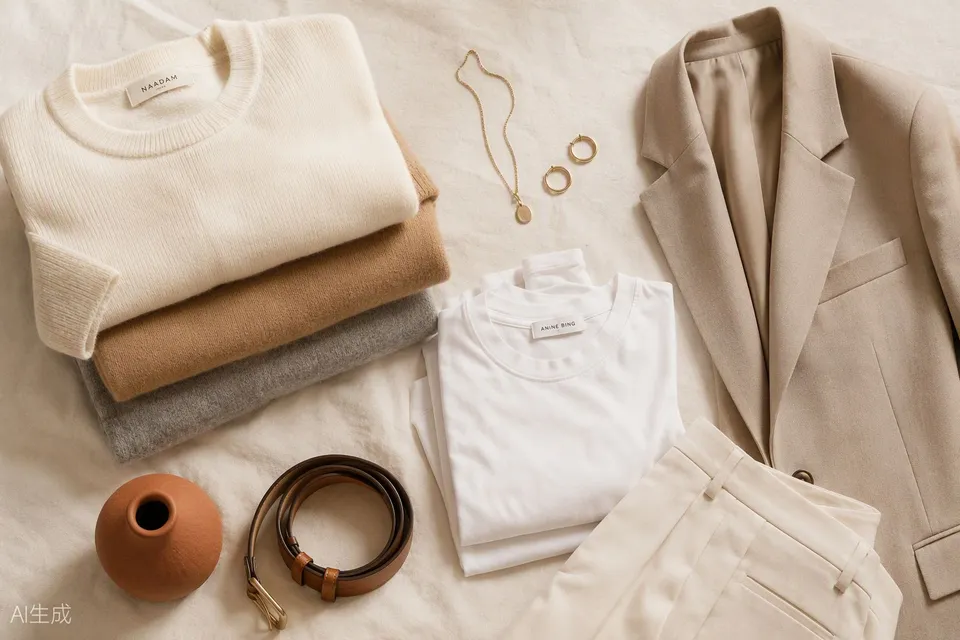
Capsule · Tested Review
Quince vs Everlane Cashmere: An Honest 6-Wear Test (2026)
One costs $50, the other $138. After six weeks of wear tests, wash cycles and a pilling comb, here's which cashmere crew actually deserves your money.
8 min read
Capsule · Shopping Guide
The Ultimate Capsule Wardrobe Guide for 2026: 30 Pieces, 100+ Outfits
A capsule wardrobe isn't about owning less — it's about wearing everything you own. Here's the exact 30-piece framework our editors use, with the outfit math to prove it.
12 min read
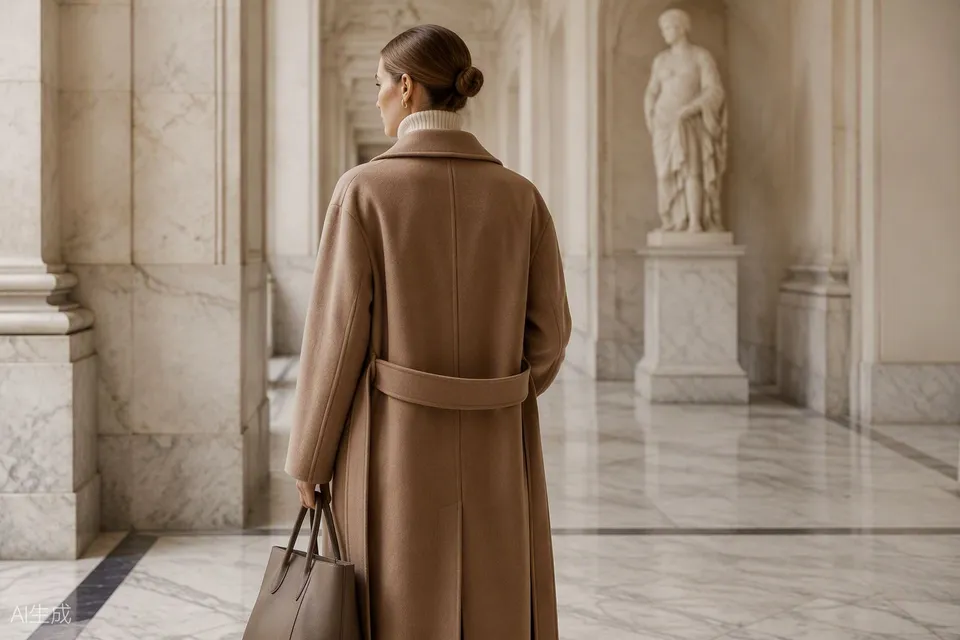
Trends · Trend Report
Quiet Luxury Outfits: How to Dress the Look on Real Budgets (2026)
Quiet luxury isn't about money — it's about discipline. Seven rules, three fabrics, and the exact pieces that deliver the look at high-street prices.
9 min read